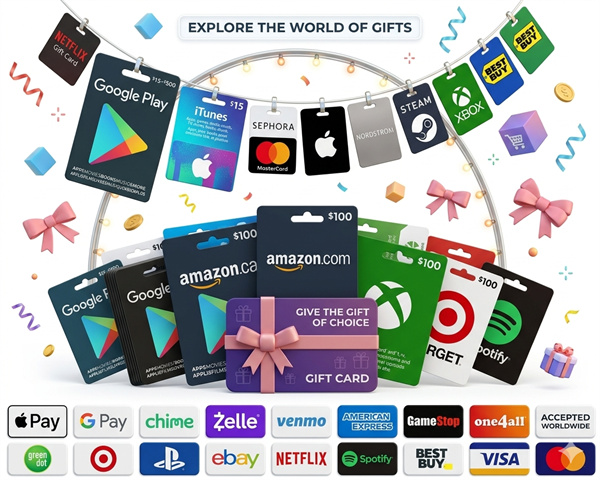
In the dynamic landscape of the Nigerian digital economy, virtual gift cards have emerged as a popular medium for converting digital currency into local liquidity, with the $30 denomination holding particular significance due to its standard usage patterns among consumers. Understanding the market value requires a deep dive into how these cards are processed, as the specific exchange rate for a thirty-dollar card is not static but fluctuates based on global demand and the reliability of the redemption process. Users looking to convert this specific amount must navigate a marketplace where different verification methods dictate the final payout, making it essential to stay informed about current market rates.
Several technical factors influence the Google Play gift card $30 rate in Nigeria, primarily the type of card and the method of verification such as Level 1 or Level 2 Bureau de Change (BGV) or AMCs. Cards that undergo full verification or belong to categories like iTunes, Xbox, or Amazon typically command a higher premium compared to less popular variants like Google Play or Twitch. A savvy trader will pay close attention to these distinctions, as a secondary verified card often yields a more stable and attractive rate than an unverified virtual card, thereby maximizing the financial return for the seller.
To ensure a secure and profitable transaction, it is advisable to utilize established digital exchange platforms that offer competitive pricing and transparent policies. While social media groups may promise quick cash, they often carry the risk of scams or unstable payment terms, whereas professional trading networks provide verified payment methods like bank transfers or instant mobile credit. By conducting thorough research and selecting a trusted intermediary, individuals can effectively liquidate their assets, ensuring they receive the best possible rate for their $30 gift cards while safeguarding their financial interests against common market volatility.